INDUSTRIAL DESIGN: users notice change before they notice detail
You can find the volume button on your phone without looking. Your thumb feels the interruption in the surface before you consciously register the shape.
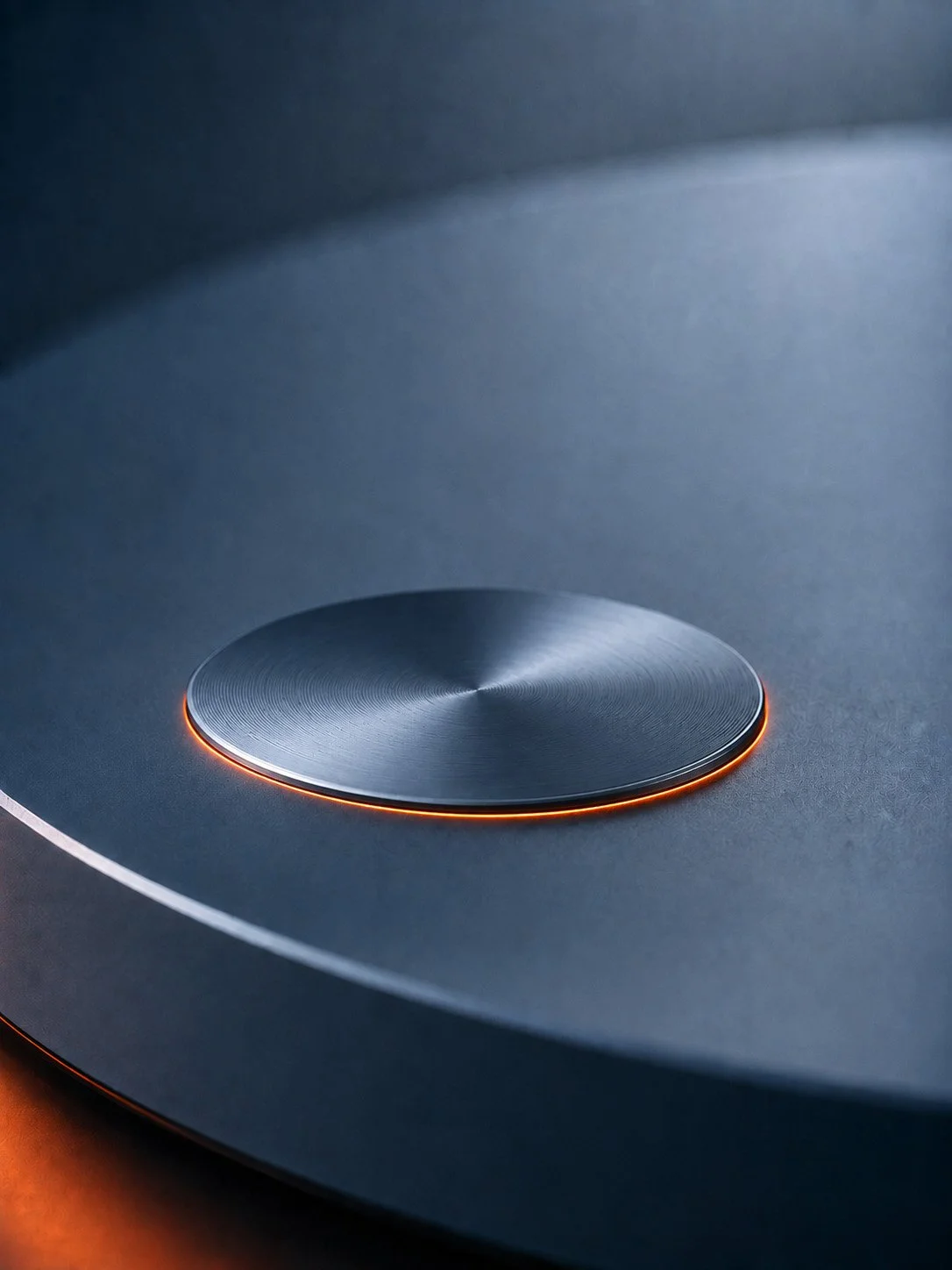
Fingertips detect a raised step only a few microns tall. That's why an edge, a texture shift, a gap, a material transition, or a click communicates faster than a perfectly rendered detail.
Vision misses small changes during normal use, touch doesn't. A control that moves, snaps into place, or changes texture tells someone what happened without asking for full attention.
This matters most when people aren't looking, when they're driving or cooking or carrying something in the other hand. Those are the moments a product either works or forces someone to stop and look down.
Good design doesn't depend on close inspection. It uses contrast, movement, and touch to tell someone what changed, where to act, and what just happened.
Building something?
Crafted by works with companies on product strategy, industrial design, engineering, UX/UI, branding, packaging, and manufacturing.
[See how we can help →]